The retro game market has a counterfeiting problem. We wrote a whole article about how to spot fakes. But somewhere along the way, the conversation about counterfeits absorbed a completely different conversation about reproductions, and the two got tangled into one big mess of moral panic. They are not the same thing. In fact, there are multiple tiers here that deserve separate treatment. Let’s untangle this.
The Spectrum Nobody Talks About
Most people frame this as a binary: original or fake. The reality is more like a spectrum, and where something falls on that spectrum matters.
On one end, you have original pressings. Authentic cartridges manufactured during a console’s commercial lifespan. These are what collectors are after, and their value reflects scarcity and demand.
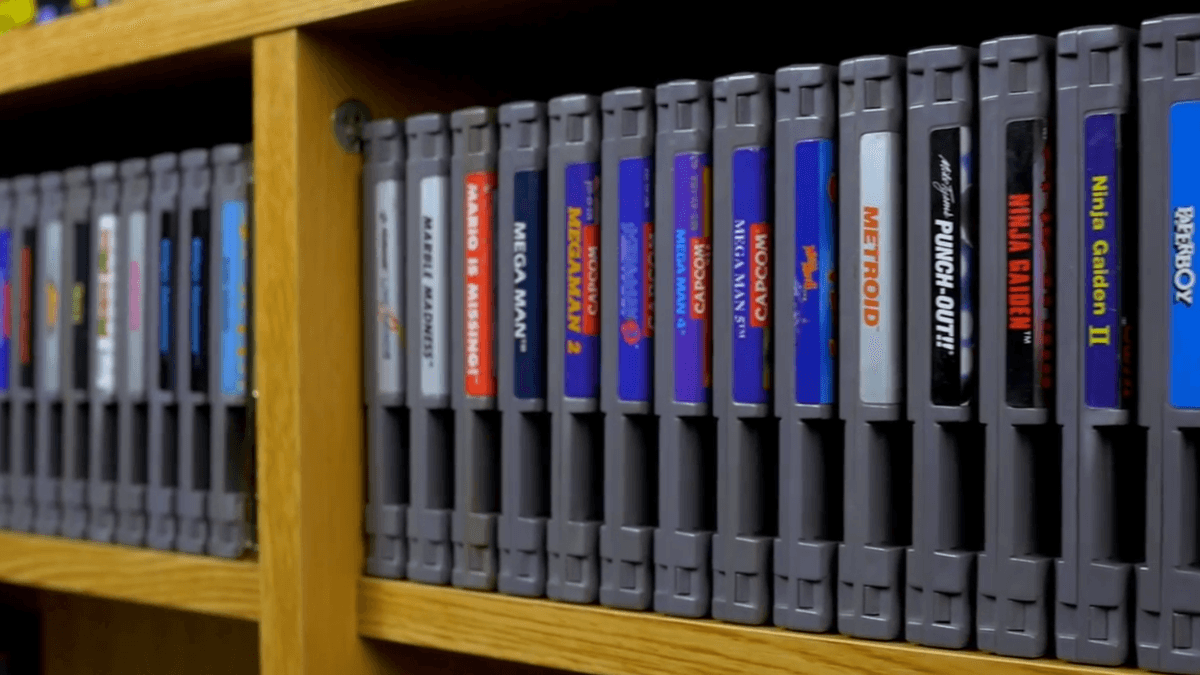
On the other end, you have counterfeits. Cartridges designed to deceive the buyer into believing they are purchasing an original. The label mimics the original. The shell color matches. The packaging is replicated. The entire point is to pass as something it is not, usually at a price that reflects authenticity. That is fraud.
In between, there are at least two distinct categories that get unfairly lumped together: authorized reproductions and unauthorized reproductions. They are different in important ways, and the community needs to treat them differently.
Authorized Reproductions: The Best Case Scenario
This is the part of the conversation most people skip entirely.
Companies like Retro-Bit Publishing have built a business around officially licensed re-releases of rare and hard-to-find retro games. These are not bootlegs. These are new production runs created in direct partnership with the original IP holders, with proper licensing agreements in place.
Take Metal Storm on the NES. The original 1991 release was a commercial underperformance despite critical praise, largely because it launched at the tail end of the NES lifecycle right as the SNES was arriving. That low print run turned it into one of the most sought-after NES cartridges in the collector market, regularly selling for well over $100 loose. Retro-Bit partnered with Irem to produce an officially licensed re-release based on the Japanese Famicom version, complete with a full English translation that had never existed before, restored story cutscenes that were cut from the original US release, and higher difficulty options. That is not a bootleg. That is a product that arguably delivers a better version of the game than the original retail release.
Then there is Undeadline. This is a 1991 Mega Drive vertical shooter from T&E Soft that was only ever released in Japan. Finding an original copy is expensive and difficult, and even if you tracked one down, you would be playing it entirely in Japanese. Retro-Bit licensed the game through D4 Enterprise (the current IP holder), produced the first official release outside of Japan, and had it professionally localized into English for the first time. This is not just preservation. This is a game being made properly accessible to an audience that never had the chance to play it.

Retro-Bit Publishing does two things consistently across their catalog. First, they re-release rare games that have become prohibitively expensive on the collector market, giving players access to titles that would otherwise be locked behind three-figure price tags. Second, they localize Japanese exclusives that never made it to Western markets during the original console’s lifespan. Both of these serve the community in ways that counterfeits never could.
Their production quality reflects the legitimacy of the operation. They use 5-volt chips to prevent console damage. The cartridge edges are beveled and rounded to protect console pins. Each release comes with a certificate of authenticity and an individually numbered commemorative slipcover from a limited production run. The PCBs are purpose-built, and the packaging includes full-color manuals, art cards, posters, and in some cases figurines. These are collector’s items in their own right, not disposable knockoffs.
CastleMania Games is proud to carry Retro-Bit Publishing titles, and we consider them one of the best things happening in the retro space right now. When the system works like this, with proper licensing, professional production, and transparent marketing, everyone wins. The IP holders get revenue from their back catalog. Players get access to games on original hardware at reasonable prices. Collectors get a legitimately produced product that adds value to their shelves.
The problem is that authorized reproductions like these represent a small fraction of the reproduction market. Most of what you encounter in the wild is unauthorized.
Unauthorized Reproductions: Where the Lines Get Blurry
Here is where it gets complicated.
The demand for playable retro games on original hardware far outstrips the supply of authorized options. Retro-Bit Publishing has released a solid catalog, but they cannot cover every title that the market wants. There are hundreds of expensive, hard-to-find games across every platform with no official re-release on the horizon.
Into that gap steps the unauthorized reproduction market. Individual sellers and small operations producing cartridges without licensing agreements, selling them through eBay, Etsy, and dedicated retro gaming shops. This market exists because the original manufacturers are not meeting the demand. Nintendo is not pressing new SNES cartridges. Sega is not restocking Saturn games. Until the day every retro title is available through official digital channels (and we are nowhere close), unauthorized reproductions fill a gap that the market created.
You can disagree with that framing. But the demand is real, the supply is real, and pretending it will go away if we shame it hard enough is not a strategy.
My position is that within this market, there is a clear ethical line, and it has nothing to do with whether a cartridge contains an unauthorized copy of a ROM. The line is deception.
A responsible unauthorized reproduction cartridge should meet three criteria:
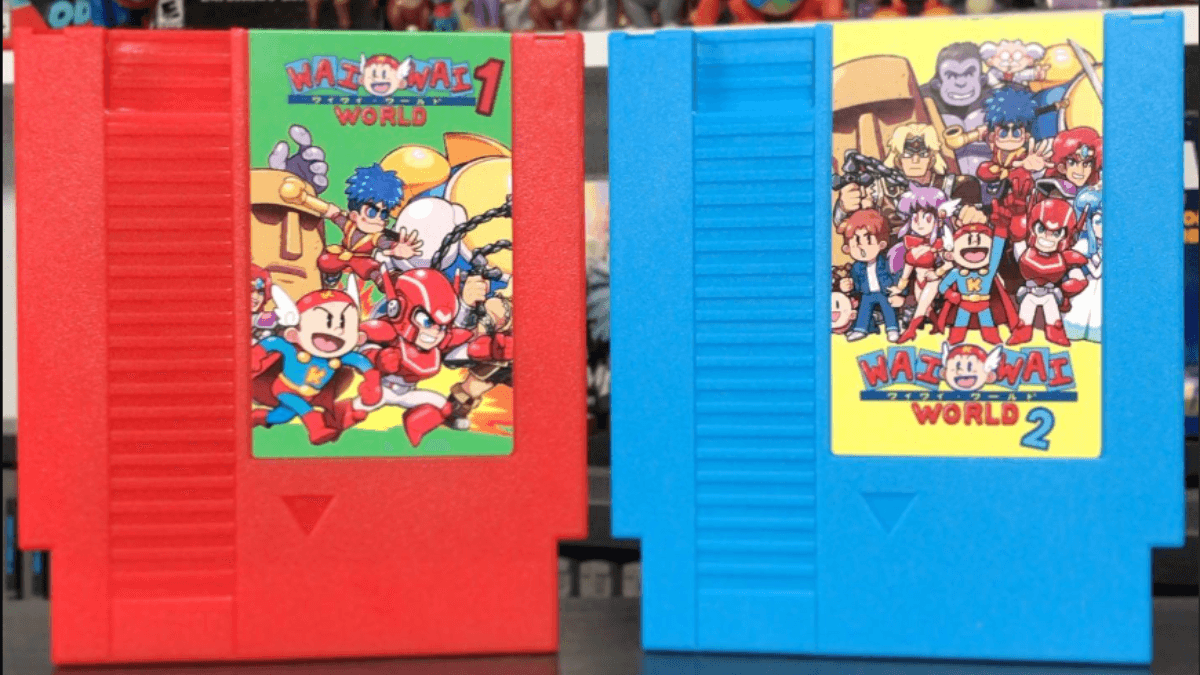
Non-standard shell color. If the original game came in a gray SNES cart, the repro should not be gray. Use a clear shell. Use a colored shell. Use anything that makes it visually obvious this is not an original pressing.
“Reproduction” printed on the label. Not in fine print. Not hidden on the back. Right on the front label, clearly legible. A buyer, a collector, a friend picking it up off your shelf should be able to identify it as a repro within seconds.
“Reproduction” marked on the PCB. Labels can be swapped. If the board itself is marked, it becomes much harder for someone downstream to pass the cart off as original. This protects every future owner, not just the first buyer.
A reproduction that meets all three of those criteria is not pretending to be something it is not. It is a functional copy of a game on period-appropriate hardware, clearly labeled as such. You can debate the copyright implications all day, but it is not the same moral problem as a counterfeit designed to deceive.
A reproduction that fails any of those criteria starts sliding toward counterfeit territory, regardless of what the seller calls it.
The Everdrive Question
If you have already decided that playing ROMs on original hardware is something you are comfortable with, the cleanest path is an Everdrive or similar flash cartridge. One cartridge, one SD card, your entire library. No questions about individual cart authenticity. No risk of accidentally reselling a reproduction as an original years down the road.
I understand the appeal of individual repro carts. There is something satisfying about pulling a specific cartridge off a shelf and slotting it in. It feels more like collecting than loading a file off a menu. But from a pure ethics standpoint, the Everdrive sidesteps most of the gray area. You are not creating a physical object that could be confused with an original product at any point in its lifecycle.
The counterargument is that not everyone wants to spend $100 or more on an Everdrive for each platform they collect. A $25 repro cart of one specific game can make more sense for a casual player who only wants a handful of titles. That is fair. Just make sure what you are buying is clearly marked as a reproduction and not a counterfeit trying to pass as real.
And honestly, if an authorized version exists from a publisher like Retro-Bit, buy the authorized version. The price difference between a $25 unlicensed repro and a $45-70 licensed re-release is worth it. You get a better product, you support the IP holder, and you own something with legitimate provenance.
Where the Community Should Push
The retro gaming community spends enormous energy debating whether reproductions are acceptable. That energy would be better spent on three things.
First, support authorized reproduction publishers. Companies like Retro-Bit Publishing prove that the model works. They take community input on which titles to re-release. They license properly. They produce quality products at fair prices. The more successful this model is, the more titles get the treatment, and the less demand there is for the unauthorized market to fill. When you see a title you have been wanting get an authorized re-release, buy it. Tell other collectors about it. That is how the market signals that this approach is worth investing in.
Second, push for honest labeling in the unauthorized market. If you see a seller on eBay or Etsy marketing repro carts without clear “reproduction” labeling, call it out. Leave feedback. Report listings that are deliberately ambiguous about authenticity. Push for non-standard shell colors as an industry norm. The repro community has largely moved in this direction on its own, with clear and colored shells becoming common. Reinforce that trend.
Third, educate new collectors on the full spectrum. A lot of people entering the retro space do not know that authorized reproductions exist at all. They do not know the difference between a Retro-Bit Publishing release with a certificate of authenticity and an unmarked repro cart from AliExpress. Articles like our counterfeit spotting guide and resources like Game Verifying are how we close that knowledge gap. But we also need to talk about the authorized options, because those are the cleanest answer to the accessibility problem.
The Copyright Conversation
I am not going to pretend that unauthorized reproduction cartridges exist in a comfortable legal space. They do not. Reproducing and selling a copyrighted game without the rights holder’s permission is, in most jurisdictions, illegal regardless of how clearly you label it. That is the reality.
But legality and ethics are not the same conversation. And more importantly, the existence of authorized reproductions proves that there is a legal path forward for making rare games accessible. The more the community supports that legal path, the wider it becomes.
My position is not that unauthorized reproductions are legal. My position is that within a market that operates regardless of its legal status, there is a meaningful ethical difference between a product that is honest about what it is and a product designed to deceive. And above both of those sits a category that most people do not even realize exists: officially licensed re-releases that give everyone what they want without any of the ethical baggage.
The Bottom Line
Here is the hierarchy as I see it.
Authorized reproductions from licensed publishers are the gold standard. They give players access to rare titles on original hardware, they compensate IP holders, and they add legitimate products to the collector market. If one exists for a game you want, buy it.
Clearly-labeled unauthorized reproductions are a gray area, but an honest one. If the shell is a non-standard color, the label says “reproduction,” and the PCB is marked, you know exactly what you are getting. Nobody is being deceived. The legal questions remain, but the ethical ones are manageable.
Counterfeits are the problem. They deceive buyers, erode trust in the marketplace, inflate prices by making authentication harder, and make every transaction in the retro space more stressful. They deserve every bit of scrutiny the community gives them.
The retro community does not need to agree on where exactly the line falls between acceptable and unacceptable. What it does need to agree on is that these are distinct categories with distinct ethical implications, and that flattening them into one conversation helps no one except the counterfeiters who benefit from the confusion.
If you are buying retro games and want to make sure you are not getting scammed, read our guide on how to spot fake retro games. And if you want to go deep on verification for specific platforms, Game Verifying is the best resource available.
Want to see what authorized reproductions look like done right? Browse the Retro-Bit Publishing collection at CastleMania Games.